Dungeons and Dragons Growth Reshapes Tabletop Retail
July 24, 2026Demand for dungeons and dragons products is contributing to broader growth across the tabletop gaming market, as specialist retailers report stronger interest from established players, new hobbyists and customers buying games as gifts. The category is expanding beyond rulebooks and starter products, with accessories, miniatures, storage solutions and campaign materials supporting higher-value purchases across physical and online stores.
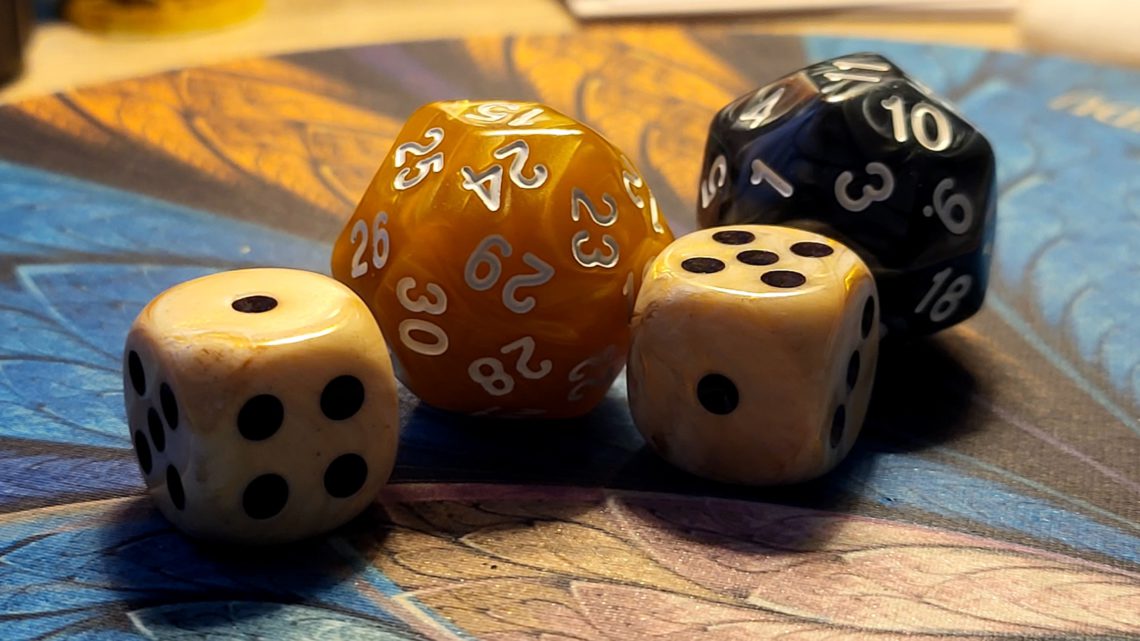
Interest in a d&d dice set is also helping retailers attract entry-level buyers who want an accessible purchase before committing to larger game collections. Dice products are available across multiple price points, making them suitable for first-time players, repeat customers and gift buyers seeking practical items connected to an established gaming system.
Retailers Broaden Tabletop Product Ranges
The growth of tabletop gaming is changing how hobby stores organise their product categories, with mtg cards increasingly displayed alongside role-playing games, board games and related accessories. Retailers are creating clearer sections for each format so customers can compare products more easily and find items suited to casual play, competitive events or collecting.rd games and accessories into clearly defined sections rather than treating them as a single specialist range.
Stores are also giving greater attention to stock depth. Core products may generate steady demand, while accessories and expansion items create repeat purchasing opportunities. Retailers that maintain reliable availability can benefit from customers returning for new campaigns, replacement supplies or products suited to different gaming groups.
Buyers expect accurate product descriptions, clear images, current stock information and straightforward delivery details. Listings that identify edition compatibility, player requirements and included components can reduce uncertainty, particularly for customers who are unfamiliar with tabletop terminology.
Community Activity Supports Ongoing Sales
Organised events remain a major influence on demand. In-store sessions, beginner nights, tournaments and product demonstrations give customers a reason to visit physical locations and can increase sales across multiple categories. These activities also help retailers build a regular customer base rather than relying only on major release periods.
The market benefits from the social structure of the tabletop role-playing game, a phrase that can be linked to a relevant Wikipedia page for broader background. Group-based participation encourages recurring purchases because players may need character materials, campaign resources, accessories or replacement items over time.
Retailers are responding by creating spaces that support both shopping and organised play. Some stores are using booking systems, membership programs and scheduled events to manage demand.
Trading Cards Remain a Strong Retail Segment
Alongside role-playing products, demand for mtg cards continues to support the wider tabletop retail category. Trading card customers often purchase regularly, with new releases, competitive formats and collector interest creating a consistent flow of transactions.
Card products also work across several retail formats. Sealed packs, boxed products, accessories and individual cards can serve different budgets and customer needs. However, retailers must manage pricing, condition standards and inventory carefully, particularly when product values change quickly or demand concentrates around specific releases.
Clear product categorisation is essential online. Buyers need to distinguish between sealed stock, singles, bundles and accessories without relying on unclear titles. Accurate descriptions and dependable fulfilment can influence purchasing decisions as much as price, especially for customers ordering higher-value products.
New Buyers Drive Accessibility Changes
The tabletop market is attracting customers who may not have previous experience with complex games. Retailers are responding with starter-focused ranges, simplified product guides and staff recommendations designed to reduce barriers to entry. This shift is making the category more approachable without removing the advanced products expected by long-term players.
Gift purchasing is another factor shaping retail strategy. Buyers shopping for another person may not know which edition, expansion or accessory is appropriate. Stores that provide clear compatibility information and practical gift categories can make these purchases easier and reduce the likelihood of returns.
Entry-level products can introduce customers to a game, while premium accessories, collector editions and large boxed releases create higher-value options. A balanced range allows retailers to serve casual buyers and experienced hobbyists without depending too heavily on one customer group.
Market Growth Brings Operational Pressure
Growing demand does not remove the operational challenges associated with specialist products. Retailers must forecast releases, manage preorders and avoid holding too much stock in slower categories. Supply interruptions can also affect customer trust when expected products are delayed or allocations are reduced.
Competition is increasing across independent stores, major retailers and online-only sellers. Specialist businesses can differentiate through product knowledge, community activity and reliable service, while larger retailers may compete on availability and price. The strongest operators are likely to combine clear ecommerce systems with knowledgeable support and accurate stock management for retailers.
The market outlook remains positive where retailers can respond to changing buyer behaviour. Continued growth will depend on accessible product information, dependable supply and retail experiences that support both new and established players. Businesses that treat tabletop gaming as a connected category, rather than a series of isolated products, are better positioned to capture repeat demand.