Magic the Gathering NZ Market Expands Online
August 26, 2026New Zealand’s tabletop gaming sector is becoming increasingly sophisticated as specialist retailers expand their online services and organise more local events. Rising interest in magic the gathering nz products is encouraging stores to improve release information, inventory systems and fulfilment options for customers beyond the main urban centres.
Players are also becoming more selective about where they purchase mtg cards, with authenticity, condition grading and reliable delivery now influencing buying decisions alongside price. These expectations are pushing retailers to provide clearer listings and stronger customer support across sealed products and individual collectibles.
Demand for mtg singles is contributing to the growth of searchable online catalogues, allowing players to locate specific items without opening multiple sealed products. This purchasing model supports deck construction while giving collectors access to particular editions, artwork variations and rarity levels.
Digital Retail Improves Product Access
Online stores have made specialised tabletop products more accessible throughout New Zealand. Customers in regional areas can now compare availability, review condition information and place preorders without relying on nearby physical stores.
Retailers are responding by introducing filters for colour, rarity, set, format and condition. These features reduce the time required to locate individual products and make large catalogues easier to navigate, particularly for experienced players building decks around specific strategies.
Stock notifications have also become an important ecommerce feature. When a popular release sells out, customers can register for an alert rather than repeatedly checking a product page. Retailers benefit by measuring demand before deciding whether to seek additional inventory.
Preorder systems require careful management because international release dates do not always align perfectly with local delivery schedules. Clear estimated arrival times, allocation policies and refund conditions help stores manage expectations when distributor shipments change.
Condition Standards Gain Importance
The condition of an individual collectible can significantly affect its value and suitability. Retailers are therefore publishing more detailed grading standards to distinguish between near-mint, lightly played and visibly worn products.
Consistent grading helps customers understand what they are buying before an order is dispatched. Detailed photographs are especially valuable for older, scarce or higher-priced items, where minor edge wear, surface marks or print variations may influence a purchasing decision.
Protective handling has become another point of difference. Individual products may be placed in sleeves, rigid holders or secure packaging before shipping, while sealed inventory requires protection from crushing and moisture during transport.
These practices support trust in a market where customers cannot physically inspect online purchases. Retailers with transparent condition policies are also better equipped to resolve disputes and maintain confidence among repeat buyers.
Organised Play Supports Local Demand
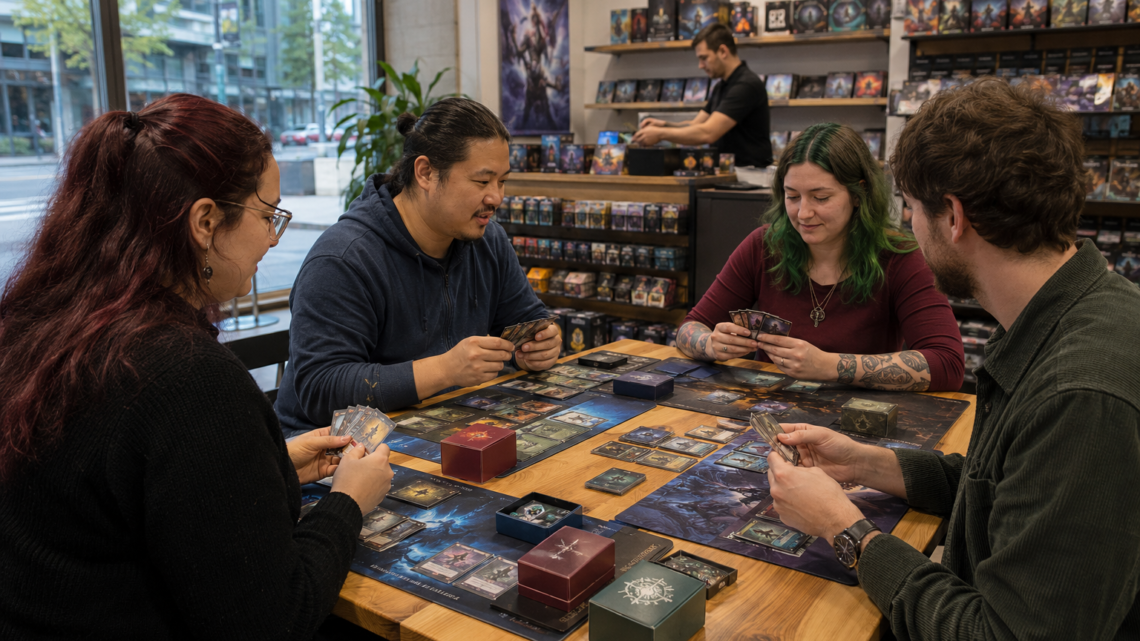
Physical stores continue to play an important role despite the expansion of ecommerce. Weekly competitions, casual sessions and prerelease events give participants opportunities to test new strategies, meet other players and trade within an established community.
The game is widely recognised as a collectible card game, a term that can be linked to background information explaining how players build customised decks from a wider pool of available products. Its combination of collecting and structured competition creates demand across several customer groups.
New participants may begin with ready-to-play products that explain the basic rules and provide a functional deck. More experienced competitors often refine their selections according to tournament formats, local trends and expected opponents.
Retailers that support organised play can connect in-store events with their digital operations. Event calendars, online registration and stock availability pages make it easier for customers to plan visits and purchase necessary products before a competition.
Release Cycles Shape Retail Planning
Regular product launches create opportunities for retailers but also place pressure on inventory management. Each release may include several product types designed for different audiences, requiring stores to forecast demand across competitive players, collectors and casual customers.
Some products experience a sharp increase in interest immediately after launch, while others build demand gradually as players evaluate their usefulness. Retailers must balance early allocation decisions with the risk of holding excess inventory after initial attention declines.
Advance information helps stores prepare educational content and organise launch events. Product summaries can explain intended audiences, included components and format eligibility without relying on exaggerated promotional claims.
Accurate information also helps customers select suitable purchases. A competitive player may prioritise access to particular game pieces, while a collector may focus on artwork, limited treatments or products designed for display.
Pricing Becomes Easier to Compare
The expansion of online retail has increased pricing transparency. Customers can compare domestic sellers quickly, including shipping fees, loyalty benefits and expected dispatch times.
International prices do not always provide a direct comparison. Currency conversion, freight charges, taxes and longer delivery periods can change the final cost of an overseas order. Local retailers may also provide simpler returns and faster assistance when an order arrives damaged or incomplete.
Responsible pricing remains important during limited releases. Stores that explain purchase limits and restock expectations can reduce uncertainty while distributing scarce inventory across a broader customer base.
As New Zealand’s tabletop retail sector develops, businesses that combine dependable ecommerce systems with community engagement are likely to remain competitive. Accurate stock information, transparent policies and well-managed events will continue shaping how players and collectors participate in the market.